Elite Vein Therapy Clinic in Des Plaines IL | Helping Patients Across Rosemont and Local Neighborhoods for Vein Disease
Board Certified Vein Specialists Close to Des Plaines Illinois For Vein Ablation Serving Rosemont
Cutting Edge Vein Care Clinic in Des Plaines Illinois Delivering Laser Vein Treatment throughout Rosemont
Looking for a Vein Clinic Around Des Plaines IL? Trusted Phlebologists Treating Patients in Rosemont for Swelling
Tailored Vein Specialists Clinic in Des Plaines IL Delivering Advanced Vein Solutions Across Morton Grove
Trusted Local Vein Center near Des Plaines Illinois Specializing in Varicose Vein Treatment Serving Prospect Heights
Understanding Vein Care Centers in Des Plaines Illinois Plus Surrounding Communities Niles Regarding Spider Veins
What Makes a Trusted Vein Specialist in Des Plaines IL Serving Morton Grove for Spider Veins
Experienced Vein Clinic Near Des Plaines Illinois Offering Sclerotherapy Treatments Serving Nearby Arlington Heights
Expert Vein Specialists in Des Plaines IL Serving Residents Of Niles for Vein Disease
A bruised looking ankle that never quite deflates. Night cramps that wake you at 3 a.m. A cluster of spider veins that suddenly appeared after a summer of heat and long shifts. On their own, these look like cosmetic annoyances or age catching up. In a complex vein case, they are puzzle pieces. Good clinics know how to assemble them, test assumptions, and sequence treatment so the swelling eases, the skin recovers, and the symptoms stop cycling back.
What makes a vein case “complex”
In straightforward cases, one faulty superficial vein causes a clear set of symptoms, and a single procedure turns the corner. Complexity enters when several forces act at once. Examples I see often:
- Mixed venous disease where both deep and superficial systems contribute. A patient with long saphenous vein reflux and an old, partially scarred deep vein after a past clot. Pelvic sources feeding leg veins. Pelvic congestion in women or iliac vein compression on the left, where the iliac artery presses the iliac vein. The legs then show varicosities that will regrow if the upstream problem remains. Skin changes that hint at lymphatic involvement or chronic inflammation. Brown discoloration around the ankle, eczema like itching over varicose clusters, or a tight, woody lower leg that suggests longstanding leakage. Occupational strain and habit layers. A teacher on her feet all day who also drives two hours home, then sits with legs bent. A healthcare worker in compression socks who still notices evening ankle swelling. Hormonal and life stage factors. Pregnancy that never quite “reset,” or menopause with a rise in visible veins and leg fatigue. Hormones loosen vein walls and valves over time, and the change can persist.
Complexity is not a label to scare. It is a reminder that the plan must test the whole circulation, not just the vein you can see.
The first visit: mapping symptoms to flow, not guesses
The exam usually starts well before the ultrasound probe touches the skin. The history sets the direction. I ask about timing and triggers. Do leg cramps strike at night and ease with walking or calf stretching, which points to venous pooling? Does heat make veins bulge more, or travel days cause tight shoes by evening? These small details inform where to look.
Next, a targeted physical exam under light and with the patient standing is worth more than any photo. You can feel a perforator vein that leaks pressure into the skin, see fan shaped spider veins pointing back to a feeding source, or note an atrophie blanche scar that marks past inflammation. If there is ankle swelling with shiny skin and a sock ring, I check for pitting and whether it improves after elevating the leg for ten minutes. Each finding changes the plan.
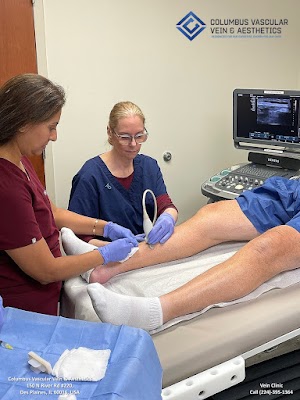
Then comes duplex ultrasound, which is nonnegotiable in complex cases. It is not a quick peek. A proper scan takes time and includes:
- Reflux testing while the patient stands or in reverse Trendelenburg to fill veins. We measure retrograde flow after a calf squeeze or Valsalva. Durations above roughly 0.5 seconds in superficial veins usually count as significant, though context matters. Mapping the axial veins, tributaries, and perforators, then marking the skin while the veins are full. That roadmap guides what to treat first and how far to extend. A sweep of the deep system. We look for residual clot, scarring, or compression clues high in the pelvis if the left leg looks worse or if swelling is asymmetrical. When indicated, a pelvic or iliac evaluation, often by referral for cross sectional imaging or intravascular ultrasound if a stent may be needed.
Patients sometimes tell me they had a “screening” that found nothing. If they were scanned lying flat without reflux maneuvers, a hidden problem can be missed. The accuracy of a vein clinic screening depends on technique and the questions asked at the start.
Distinguishing superficial from deep problems
Complex outcomes hinge on this step. Superficial venous reflux drives varicose veins, spider veins, itching, and heaviness. Deep venous obstruction or old clots change pressure dynamics and can cap what the superficial work can achieve. The treatment toolbox is different for each:
- Superficial reflux responds well to thermal ablation like radiofrequency or laser, nonthermal adhesives, and ultrasound guided foam sclerotherapy. Ambulatory phlebectomy cleans up bulky clusters through tiny nicks. Deep obstruction in the iliac segment may need venoplasty and stenting to restore outflow if symptoms fit and imaging confirms a tight point. When done for the right patient, the swelling relief can be dramatic in days to weeks. Perforator incompetence needs focal treatment only when it actively drives skin damage, ulcer risk, or local pain. Treating every perforator on a map is not the goal.
I explain to patients that blood flow direction matters. Vein valves are meant to keep blood moving upward. When they fail, reflux means flow drops back down. That reverse stream promotes pressure in the skin. Fix the direction, and the skin can heal.
Prioritizing what to fix first
Most clinics sequence treatment Des Plaines, IL vein clinic from the trunk outward, then assess what remains. If the great saphenous vein leaks from groin to calf, I fix it before touching the spider veins that it feeds. Many branch varices decompress on their own once the trunk pressure falls. That saves procedures and reduces recurrence.
There are exceptions. Painful bulging veins that snag on clothing may be removed early by phlebectomy even before trunk ablation if the anatomy allows. Focal sclerotherapy can calm an area of itching over a vein cluster to help a patient sleep while we wait for a procedure date. A clinician who handles complex cases flexes the order but never loses sight of the main pressure source.
Itching, cramps, and those signals people ignore
Itching over varicose veins is not a random rash. Leaky veins irritate the skin with inflammatory proteins, and scratching creates a spiral that can break the skin and invite ulcers in advanced cases. Clinics treat the source by closing the refluxing vein, but we also calm the skin with topical steroids for a short stretch, emollients, and compression. Patients often report the itching improves within days after a well targeted sclerotherapy session.
Night cramps have many causes. In vein disease, they often reflect calf muscle fatigue from working against excess pressure all day. Vein clinics can help by addressing the reflux, which lightens the workload. Simple moves matter too. Gentle calf stretches before bed, hydration, and low dose magnesium are common tactics. If cramps ease after a week in good compression stockings and more walking, that is a strong clue that venous congestion played a role.
Occupation, habits, and risk that stacks
I ask desk workers about long seated stretches. Sitting all day does not cause varicose veins by itself, but it can worsen swelling and discomfort. The same applies to standing for hours in retail or teaching. Prolonged immobility or fixed posture reduces calf pump action. Over years, that can aggravate existing reflux and make veins more visible.
Weight lifting raises intrabdominal pressure and venous pressure transiently. For healthy veins, this is tolerable. In someone with weak valves, heavy straining can make bulging veins more pronounced on lifting days. I do not tell athletes to stop. We teach breathing technique, favor dynamic moves over sustained Valsalva holds, and use compression during and after sessions.
Footwear matters. High heels shift weight forward and reduce calf pump efficiency. Tight clothing can constrict venous return behind the knee or groin. Small changes help. Lower heels for long days. Avoid rigid, tight bands around the thighs.
Smoking stiffens and inflames vessels, which can slow healing after procedures and worsen long term outcomes. Caffeine is less sinister, but in high amounts it can affect hydration and sleep. Moderation, plus deliberate water intake, does more good than people expect.
Pregnancy, hormones, and veins that do not bounce back
Pregnancy expands blood volume and relaxes vein walls. Valves can stretch. Many pregnancy related varicose veins improve months after delivery, but not all. Persistent ankle swelling, new spider veins on the outer thigh, and vulvar or inner thigh varices signal lasting changes or pelvic contributors. Clinics usually delay elective leg treatment until after breastfeeding, then reassess. Pelvic sources like ovarian vein reflux or iliac compression may need targeted work if leg veins keep returning after typical treatment.
Menopause brings hormonal shifts that thin vein walls and skin slowly. Risk of vein disease can rise, but not inevitably. If a patient reports leg fatigue by afternoon and new visible veins around this time, I check for new reflux and counsel on activity, hydration, and compression as early steps while considering intervention.
The role of inflammation, skin changes, and texture
People notice when veins darken in color or when skin takes on a speckled brown tone around the ankle. That pigmentation, called hemosiderin staining, suggests red blood cells have leaked and broken down in the tissue. It speaks to long standing pressure and inflammation. Treating the underlying reflux helps prevent further staining. Texture can improve too. Patients ask whether vein treatments can improve skin texture. Around the ankle, many see smoother, less taut skin within months as swelling and inflammation recede. Severe staining may fade but often leaves a trace.
Compression socks, hydration, and simple moves that tilt the odds
Do compression socks really prevent vein disease? They do not prevent genetic predisposition, but they do reduce symptoms and slow progression in many people with early signs. The best pair is the one you will wear. Graduated, 15 to 20 mmHg is a reasonable start for daily use. Clinics fine tune pressure based on symptoms and anatomy.
Hydration sounds basic, yet it influences recovery and day to day comfort. Slight dehydration thickens blood and can make post procedure calf cramps or tightness more noticeable. Good clinics coach patients to drink water steadily before and after treatment, especially when flying or after sclerotherapy sessions.
Walking daily, even 20 to 30 minutes, primes the calf pump and supports vein health. Running adds pressure peaks but also strong pump cycles. Cycling helps circulation with low impact. The right activity depends on comfort and the stage of treatment, and clinics give specific timelines for return to sport.
Technology and the real tools clinics use
Complex vein care is not about one magical technique. It is about combining methods in the right order.
- Thermal ablation with radiofrequency or laser treats refluxing trunk veins through a tiny catheter. Local anesthesia, office setting, walking out the door within an hour. Success rates exceed 90 percent over several years in published series when patient selection is sound. Nonthermal adhesive closure avoids tumescence anesthesia and is useful around nerves or in tortuous segments. It is handy when heat risks are higher. Ultrasound guided foam sclerotherapy targets tributaries and perforators, and it is essential for recurrent clusters or pelvic feeders. It requires skill and conservative volumes to limit side effects. Expect pigmentation or matting in a small fraction of patients, which we discuss upfront. Ambulatory phlebectomy cleans bulky, ropey veins through micro incisions. The instant flattening is satisfying and often reduces itch and tenderness quickly. Iliac venoplasty and stenting address significant outflow obstructions in select patients with swelling, pain, and documented compression or scarring. This belongs with teams that handle venous stents often and follow outcomes closely.
People often ask why some veins hurt and others do not. Pain relates to tension in the vein wall, local inflammation, and nearby nerve irritation. A small surface vein can be quite tender if it sits under tight skin or near a sensory nerve. A very large trunk vein can be duller if it decompresses well when lying down. Treatment choices account for this anatomic nuance.
Why some treatments fail and how clinics avoid repeat mistakes
When veins reappear after treatment, it is rarely because the initial technique was useless. More often, the true source was not fully identified, or new reflux developed in a different segment over time. Common pitfalls include treating only the varicose clusters without closing the feeding trunk, ignoring pelvic reflux, or missing a deep obstruction that keeps pressure high.
Clinics reduce failure risk by mapping comprehensively, treating the major pressure source first, and scheduling real follow up. We measure symptom scores again, re scan reflux prone segments, and only then layer cosmetic clean up if needed. Patients also receive clear guidance on what not to do in the first two weeks, like hot tubs that can dilate veins, or long flights within a few days of certain procedures without compression and walking.
Safety, complications, and trade offs worth weighing
No procedure is risk free. In experienced hands, thermal ablation has a low complication profile, but patients need straight talk:
- Nerve irritation presents as a stripe of numbness near the ankle when the small saphenous or below knee great saphenous vein is treated. It often improves over weeks to months but can persist in a small minority. Superficial phlebitis can occur after sclerotherapy or phlebectomy. It is inflamed, tender vein cord rather than infection, and it responds to NSAIDs, heat, and compression. Deep vein thrombosis is rare after superficial work, often under 1 percent, but clinics screen risk factors and sometimes use prophylaxis in higher risk cases. Pigmentation and matting can follow sclerotherapy, more likely in sun exposed or darker skin or when volumes run high. It may fade over months, but some marks can linger.
The decision to proceed balances symptom burden, skin risk, job demands, childcare, and cost. Good clinics explain sequenced options, not pressure a single path.
Travel, flying, and the frequent traveler’s playbook
Long travel days make healthy veins grumble and fragile veins swell. Flying does not permanently worsen varicose veins by itself, but it can unmask weak points and aggravate symptoms. Before a long trip, clinics suggest compression, hydration, aisle walks, and calf pumps in the seat. After vein treatment, I delay long flights for a few days, longer after foam sessions that carry transient risks of visual aura in sensitive patients. For frequent travelers, we time sessions to allow walking recovery and give a plan that includes compression and hydration to support clot prevention and comfort.
Nutrition, supplements, and what actually matters
Diet influences vein strength through weight, inflammation, and the health of vessel walls. A pattern rich in colorful vegetables, citrus, berries, olive oil, nuts, and adequate protein supports connective tissue. Sodium awareness helps swelling in salt sensitive patients. Best foods often recommended by clinics include citrus for vitamin C, leafy greens for nitrates and magnesium, and berries for polyphenols. Supplements like horse chestnut seed extract or diosmin show modest symptom relief in some studies. They do not replace fixing reflux but can ease heaviness and swelling for certain patients. Always cross check with medications and medical history.
Obesity increases intraabdominal pressure and can impair procedure access and outcomes. That does not mean patients must hit a perfect weight before care. We target meaningful steps and plan around the anatomy. Rapid weight loss can also change vein appearance by thinning the fat that hid superficial veins, which can worry patients even though function may be improving.
Recovery that feels manageable in real life
Most office based vein procedures take 30 to 60 minutes. People walk out and can often return to desk work the next day. Heavier labor waits a few days. The first 24 to 72 hours can bring tightness along the treated vein, like a pulled cord. Walking helps. Sleep on the side that feels best. If the calf aches at night, a pillow under the knees with the heels free can ease it. Clinics also share a simple routine to make recovery smoother.
Here is the core plan I give most patients for the first two weeks:
- Walk at least five to ten minutes each hour while awake on day one, then several short walks daily for a week. Wear prescribed compression during the day, removing it at night unless directed otherwise. Keep showers warm, not hot, and avoid soaking baths, hot tubs, and saunas for one to two weeks. Hydrate steadily, especially after sclerotherapy or on travel days, and limit alcohol the first few nights. Call if you notice sudden calf swelling, shortness of breath, fever, or pain that escalates rather than settles.
Sleep, stress, and veins you can feel at night
How to sleep after vein treatment for better results is a common question. There is no single best position, but elevating calves slightly can ease tension along the treated segment. Side sleeping with a pillow between the knees reduces hip pressure and groin tuck that can pinch veins. Poor sleep worsens pain perception and stress hormones, which can heighten the sense of heaviness or achiness. I encourage a wind down routine for three nights after a procedure and earlier bedtime on compression days.
Stress itself does not cause vein disease, but it changes how we move and sit. Patients under strain often sit longer, hydrate less, and skip walks. Small anchors, like a timer for a two minute lap every hour, pay back.
When cosmetic becomes medical
Spider veins on legs can appear suddenly, especially after heat exposure or hormonal shifts. Alone, they are cosmetic. When they cluster over the inner ankle, with ankle swelling and brown speckling, they may signal underlying reflux. The difference between a cosmetic touch up and a medical issue lies in the ultrasound map and the symptom story. Clinics that handle complex cases do not sell sclerotherapy alone if the trunk still leaks. They fix the cause first, then offer cosmetic cleanup with clear expectations.
Kids, genetics, and the long view
Can children develop vein problems early? Rarely, but it happens, especially with congenital venous malformations or strong genetic predisposition. Most vein clinics partner with pediatric vascular teams for these cases. For families with a deep vein history or pronounced varicose veins across generations, early habits matter. Walking, healthy weight, and recognizing early warning signs like persistent ankle swelling or heaviness after long sits can delay progression. How often should you check your vein health? If you have risk factors, a baseline evaluation in your 30s or 40s, then as symptoms guide. After treatment, follow ups at 3 months, 1 year, and then every 1 to 2 years keep you ahead of recurrence.
Expectation management and timelines that are real
Patients often ask how soon they will see results. Heaviness and cramps can ease within days after trunk ablation. Swelling improves over weeks as tissue fluid clears. Skin changes lag. Brown staining can fade slowly over months. Spider veins usually dull in color over 6 to 12 weeks after sclerotherapy, with repeat sessions spaced by at least 4 to 8 weeks for best results. Clinics track progress with photos, symptom scores, and repeat ultrasound where relevant. Realistic timelines help avoid disappointment and reduce the urge to over treat too soon.
What to ask at your consultation
A focused visit leaves room for thoughtful planning. Bring your questions and the details that shape your daily life.
- What is the main source of my symptoms on ultrasound, and how does blood flow direction factor in? Which vein segments do you plan to treat first, and what outcomes should I see at each step? How do my job, travel plans, or sports fit into the timing, and what are the recovery guardrails? What are the realistic risks, including pigmentation, nerve irritation, or clot, and how do you prevent them? How will you monitor results and handle recurrence if it happens?
Choosing a clinic you can trust
Credentials matter. Look for clinicians who do vein care as a core practice, who discuss CEAP classification and reflux measurements in plain language, and who are clear about the difference between superficial and deep problems. Ask how often they treat iliac compression, perforator disease, or pelvic reflux if your case hints in that direction. Technology should support judgment, not replace it. The latest innovation is helpful only if it solves your problem better and safer. A trustworthy clinic welcomes questions, shares before and after timelines without overpromising, and has a follow up structure that checks your progress rather than assuming all is well.
The bigger picture: circulation, lymph, and the heart
Can vein disease affect heart health? Not directly in most cases, but shared risk factors overlap. The lymphatic system often carries part of the burden in chronic venous disease. When pressure in small veins runs high, lymph overloads. That is why ankle swelling can feel rubbery and why gentle lymph oriented massage and calf pumping can help after venous correction. Clinics that think about veins in isolation miss this layer. Complex cases improve most when venous, lymphatic, and lifestyle threads are pulled together.
When doing nothing is not harmless
What happens if vein disease goes untreated? For some, little changes for years. For others, slow, steady pressure injures the skin, leading to eczema, staining, lipodermatosclerosis, and ulcers. The connection between vein disease and blood clots is real but nuanced. Superficial thrombophlebitis can extend into deep veins in a small fraction of cases, especially when close to junctions. That is another reason clinics take tender, cordlike varicose veins seriously and scan when indicated.
Complex cases need a clear path. Start with accurate mapping, fix the true pressure source, pace clean up, and respect recovery. Add hydration, movement, and compression as daily allies. Expect honest talk about risks and timelines. With that approach, itchy skin quiets, night cramps fade, swelling backs off, and the map on the screen begins to match how your legs feel when you get up from a chair and walk without thinking about it.
